AGP Executive Report
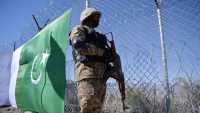
Last update: 2 hours agoMining: Afghanistan signed a $38.74 million, 15-year talc contract in Nangarhar, expected to create more than 400 jobs. A separate $22 million gold-mining project has also launched in the north. Trade & Logistics: Afghanistan-Pakistan trade has plunged about 95% to $358 million as border closures halt transit and squeeze exporters. A first freight train from China’s Shandong province is headed to Afghanistan, offering a potential alternative route. Energy: Turkmenistan aims to complete the TAPI pipeline section to Herat by year-end and begin gas deliveries to Afghanistan by mid-2027; a separate power project is set to enable up to 800 megawatts of electricity supply. Agriculture: Afghanistan harvested 5.15 million tonnes of wheat, up 13.4% year on year.
Note: AI summary from news headlines; neutral sources weighted more to help reduce bias in the result. Feedback is welcome. Please let us know if you have any comments or suggestions about the AGP Executive Report.
 Perspectify News